
The Importance of Knowledge and Preparation
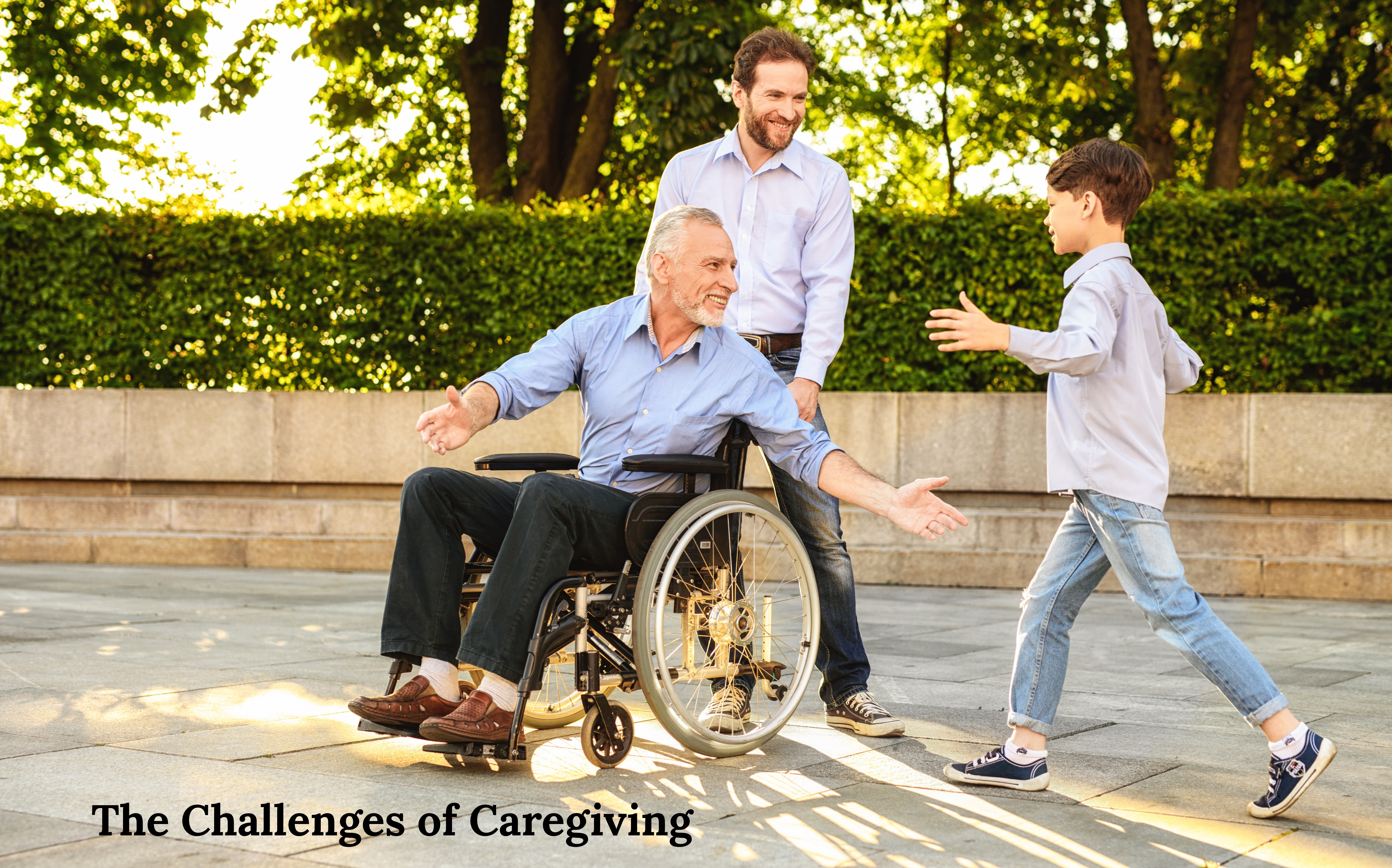
Many see family caregiving as the loving picture above, but not the challenges we face. Most caregivers have no experience and no expectation of becoming a caretaker of another human being — other than adorable babies. We have loving moments and good experiences as caretakers, but it is important to acknowledge that there will be challenges. The impact of challenges are lessened by having realistic expectations, planning ahead as much as we can, working with others for the care of your loved one and seeking support through trusted information.
Most caregivers have had little experience working with medical professionals
like doctors, social workers, and physical therapists. Make them a part of your team. Be polite, on point and persistent. Be prepared for appointments ahead of time. Yes, we’ll show you how. Ask questions during medical appointments and take notes. Understanding the situation helps you avoid emergencies and respond confidently. “Advocating for a Loved One in the Emergency Department” is one post that identifies what you can do to get the care you need. Other posts help you find and get the care needed, keep records and plan ahead to be prepared..
The members of your medical team guide you on medication management, appropriate treatment, and refer you to others who can help. Their support and the information they can provide is key. Say thank you often to doctors, nurses, aides and everyone else who helps in anyway. Then, if and when, it is necessary to strongly advocate you are starting from a basis of mutual respect. Knowledge helps reduce anxiety and mistakes and we help you get organized to make the most of expert knowledge.
Good caregivers educate themselves about the care recipient’s disease or condition.
Check out the Resource Library for trusted sources of information about specific diseases and conditions. Learn about treatments, symptoms, and if lifestyle changes are needed. We will also provide information, forms and resources for you so you don’t have to spend time searching and inventing the wheel for record keeping and planning ahead.
The challenges below are key issues we address with this website.
Nearly every caregiver faces these same issues sometime during their time as caregiver. Learning about possible challenges early helps you plan ways to reduce their impact.
- Time Pressure: Balancing care duties with work, family, and personal needs. Sixty percent of caregivers are also in paid employment outside the home. Most are providing care without compensation, care with an economic value estimated at $600 billion across the US.
- Financial Strain: Nearly half of Americans (46%) provide financial support for their aging parents or in-laws, or expect to in the future, according to a recent survey from LendingTree, an online lending marketplace. Paying for supplies, health visits, or taking unpaid time off work come at a cost to the caregiver. Caregiving families stop savings, take on more debt, and pay bills late or not at all. Difficulty finding affordable services, such as delivered meals, transportation, and in-home health services, affect family caregivers’ financial situations. Access to care can be driven by available health insurance coverage and can contribute to the strain.
- Physical Exhaustion: Lifting, cleaning, and assisting can cause fatigue or back pain. According to AARP/National Alliance of Caregivers, one in five or 21 percent of caregivers report fair or poor health. Given that 45 percent of caregivers nationally are engaged in high-intensity care, this gap contributes to caregiver illness.
- Emotional Burnout: Constant stress can lead to depression or anxiety.
- Isolation: Caregivers feel alone, especially when friends or family do not understand demands of caregiving.
Sources: Sandwich Generation Aging Parents Moving In
Part 1 – 63 Million US Caregivers