It’s Not a Lie. When telling the truth is cruel. How not to deal with big memory gaps
I’m not gonna lie I cannot find a graceful way to approach this topic.
But having hashed through this over the course of a couple hours I’ve come to realize that my intended audience isn’t caregivers. It is visitors. They may never read this, but caregivers, I want you to know I’ve got your back.
The scenario I’m thinking of quite often occurs when people are visiting.
Visitors who aren’t taking care of someone full time and who don’t have to regularly deal with the gaps in the memory.
They may overhear the loved one ask about someone who’s passed away. . .
Perhaps because the family gathering reminds the loved one of long past family gatherings.
Regular caregivers use their best tactic to distract or redirect their loved one’s attention.
Perhaps with an evasive answer to a question on the whereabouts of a brother who passed years ago, something like “oh, he’s somewhere else today”. Or, a diversion such as, “let’s go find you a place to sit.” Or assign them a job, saying “would you taste this for me?”, while handing them a bit of dessert.
The visitors may get incensed and insist on telling the truth. Many times, especially if they are not used to dealing with dementia, they just blurt out , “oh well– Uncle Johnny died years ago. ” These truth tellers will be very adamant that it is wrong to not tell the forgetful loved one the truth. They insist that “not making them face reality” about a family member having already passed is disrespectful, and just wrong. It does not matter if Uncle Johnny has been in the grave for 10 months or 50 years. To the truth tellers, Uncle Johnny’s death must be accurately reported.
To the people who insist on telling the truth –
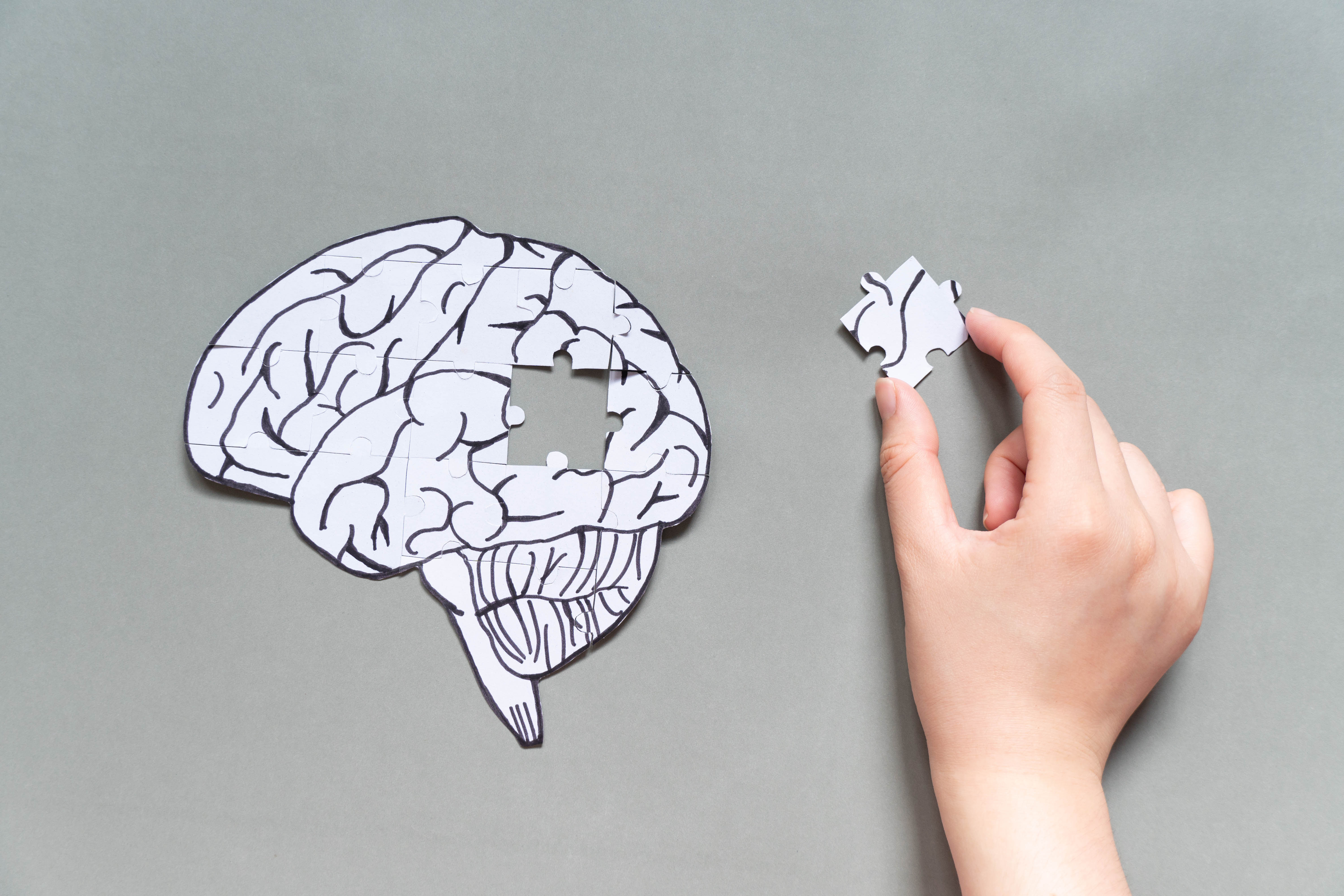
you are making the one with a damaged brain remember something painful, Who does that really help? How does it help them? What advantage is there making them remember? Telling them how long the person has been gone, is reopening their death. I can’t think of a single reason that that would be an acceptable thing to do. All I see is downside to insist on the truth in this situation.
Before I go too much further, I should probably point out that insisting a forgetful loved one be reminded of people have passed and other uncomfortable things can be dependent on the situation and their understanding of the world. However, being framed as absolutely necessary in all circumstances “because it is truth and honesty” is a different situation.
When the person with dementia can no longer remember or process such information, it is upsetting to them to hear something painful or distressing for what they perceive as the first time. Insisting on the truth is perhaps more about your personal comfort than it is the loved one’s well being. Telling the truth is more about giving the situation a facade of a moral argument
Insisting that a forgetful loved one remember is simply traumatic to them.
From their point of view, they think they had only recently encountered the person, maybe yesterday, maybe a week ago. Now they are told that person has been dead for years. That is immediate shock and trauma. It’s no different than when they initially lived through that loss. And for them, all these years later they find themselves mourning again. But unlike when they lived that initial loss, now they are mourning alone.
For most people with dementia who have become forgetful, they are no longer capable of remembering. Nor are they able to understand that loss as a past event. That is a memory and a fact they will never regain. And every time they are forced to hear that again, it’s the same as hearing it for the first time. And that is just cruel.
The majority of experienced caregivers are very well versed in redirection, distraction and diffusion.
They deal with the holes in the memory day in and day out. Trust them and their judgment. There are some subjects that are just emotional landmines and a good day can suddenly take a horrible turn for the worst.
————— Justin Vance —————
Related posts:
Cat Naps for Self Care
It is true that taking naps in the middle of the day can negatively affect your sleep, and when you don’t get good sleep at night, your energy is depleted the next day. This vicious cycle can be avoided by switching t...
Gun Safety and Dementia
Caregivers dealing with dementia and firearms
Part 1 - Each one's history with firearms will differ Part 2 - What caregivers need to consider
History
I needed a couple more hours of PE to graduate college. ...
Quick tips for time spent in waiting rooms
When we were taking care of Wheels, we spent a lot of time waiting at therapy appointments
- speech, dysphagia, occupational and physical therapy. When we weren't going to therapy, we were going to a doc...