
Tools to aid in eating
Sometimes injury or disease can have a negative impact on the way we eat.
This can include tremors associated with Parkinson’s disease or multiple sclerosis, to the loss of dexterity associated with arthritis or a bad break. The ability to eat is problem that can be easily overlooked but it does affect several other areas of life for the person receiving care. There may be weight loss, with or without an increased interest, in food and meals. Or decreased social interaction with friends and even family.
Difficulty eating also affects the caregiver. Besides the decreased social interaction with friends or family. there is a sense of an increased “caregiver burden”. You may feel a need to spoon feed your loved one.
Another warning sign for increased caregiver burden, is the attempt to “stack” caregiver tasks in an attempt to save time. I have seen people try to make all appointments in the morning, dress their loved one and skip breakfast to stay clean, then not eat lunch until all errands/ meetings are done. While this can work when done infrequently, it really isn’t a good long-term solution. It upsets the routine and stresses the both the caregiver and the care recipient.
Here are some solutions to mealtime problems to help alleviate stress:
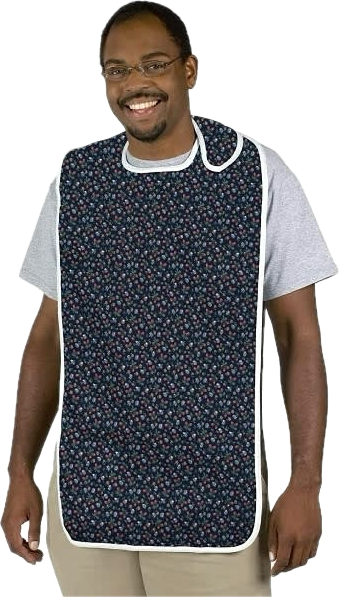
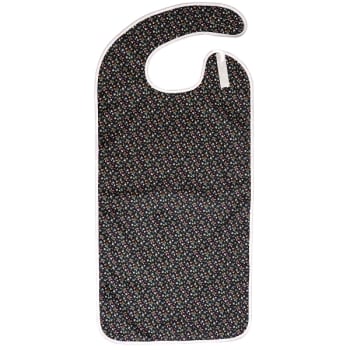
| One thing that can help is a clothing protector garment. There are so many options and some of them can be fun spirited or even mildly elegant. Waterproofing is an important quality to look for in a clothing protection |
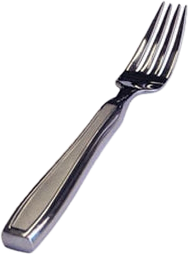
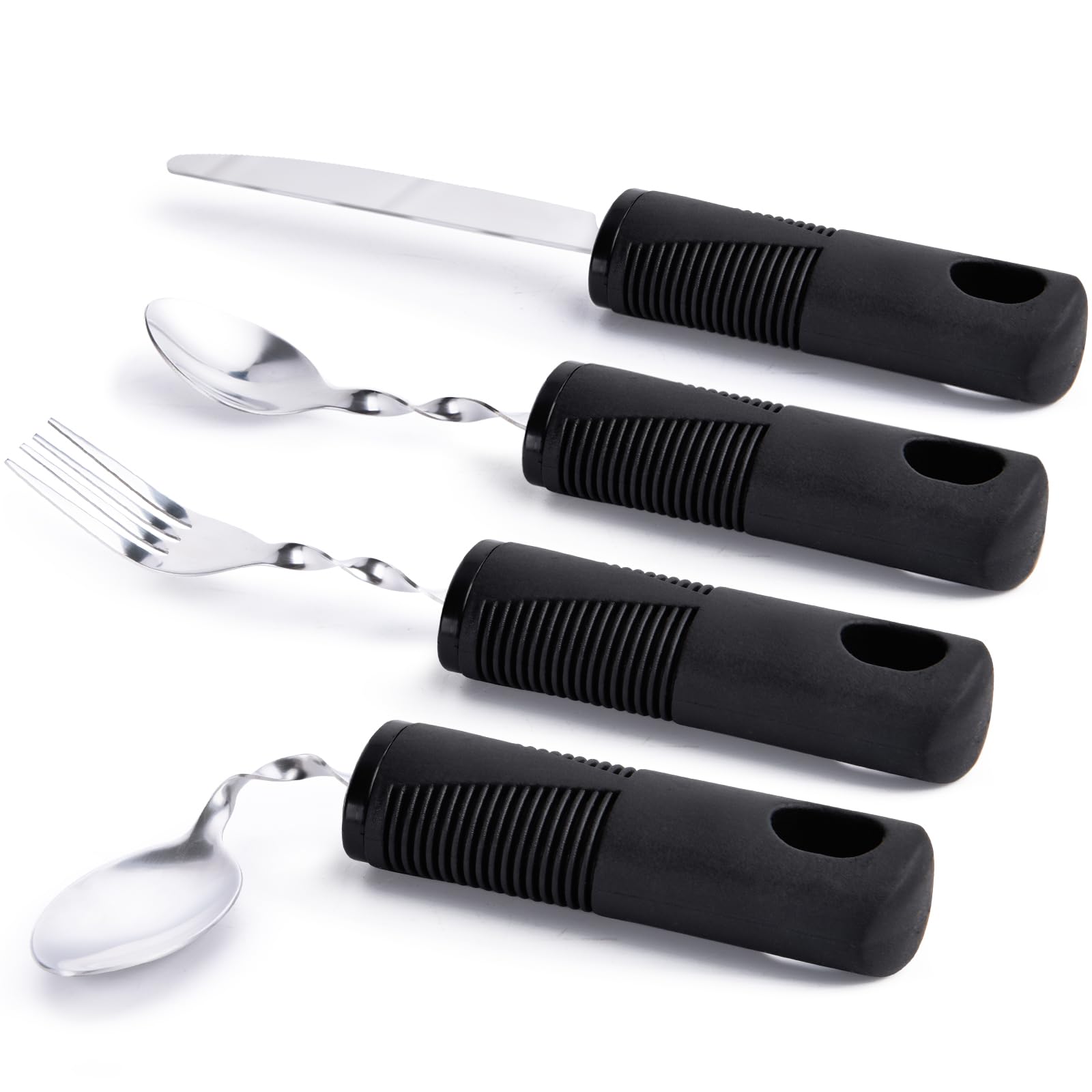
| There are weighted options available that help decrease tremors regardless of the cause. I like these because they resemble most eating utensils and they’re used like a normal utensil. They wash like normal utensils as well. These can be brought with you to anywhere that you may want to eat. There are several weight options available, so progression can happen if needed. |
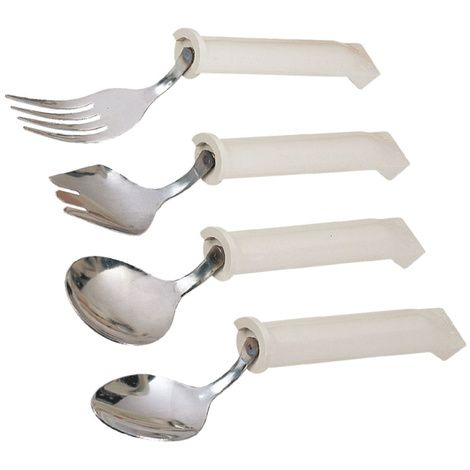
| These are fabulous and so clever. They’re not as discrete as the previous example, but they prevent spilling by allowing the bowl of the spoon to swivel in the handle. The fork tines swivel as well. It is not a 100% spill elimination, but a great option for tremors, especially the larger tremors that can occur with non-essential tremors. These also work well for someone that has a reduced amount of flexibility in their wrist or elbow. |
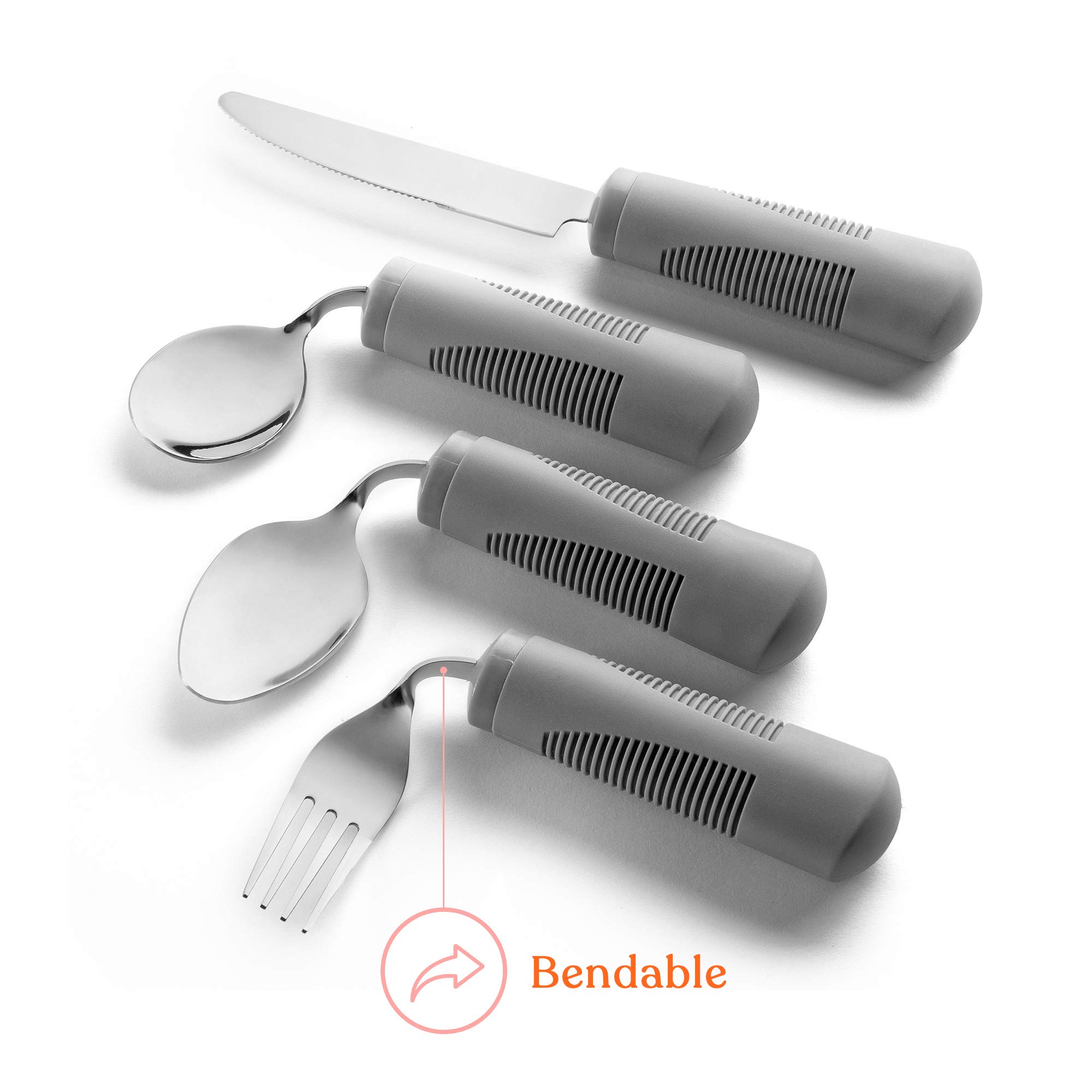
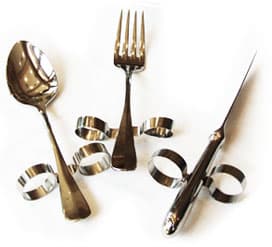
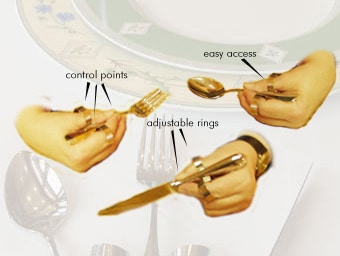
Below are examples of utensils that can work for some with decreased mobility in their hands or arms. The flexible shaft can be customized for your needs. When weakness is a concern, or lack of dexterity, the “ring around the finger” untensils on the right are a clever option to try.
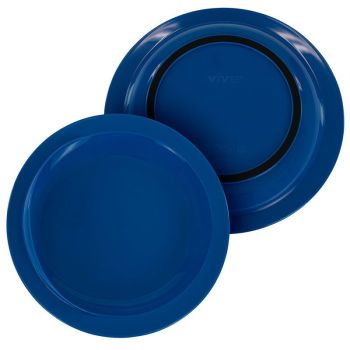
| And don’t forget the blue plates for those with low vision – it’s hard to find white potatoes and milk gravy on a white plate. The royal blue plate is a good option because there are no foods naturally that are that color. These are usually inexpensive and easy to find. The ones shown even have a rubber ring around the base to help stabilize the plate. |
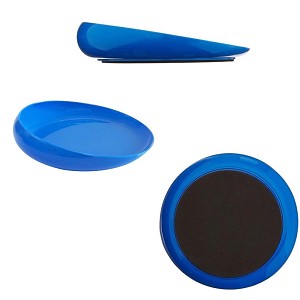
| Scoop plates help too. We’ve talked about this in a previous article but it’s worth mentioning again. The “sideboards”, as my dad calls them, help load the utensil and increase the persons dignity and independence. |
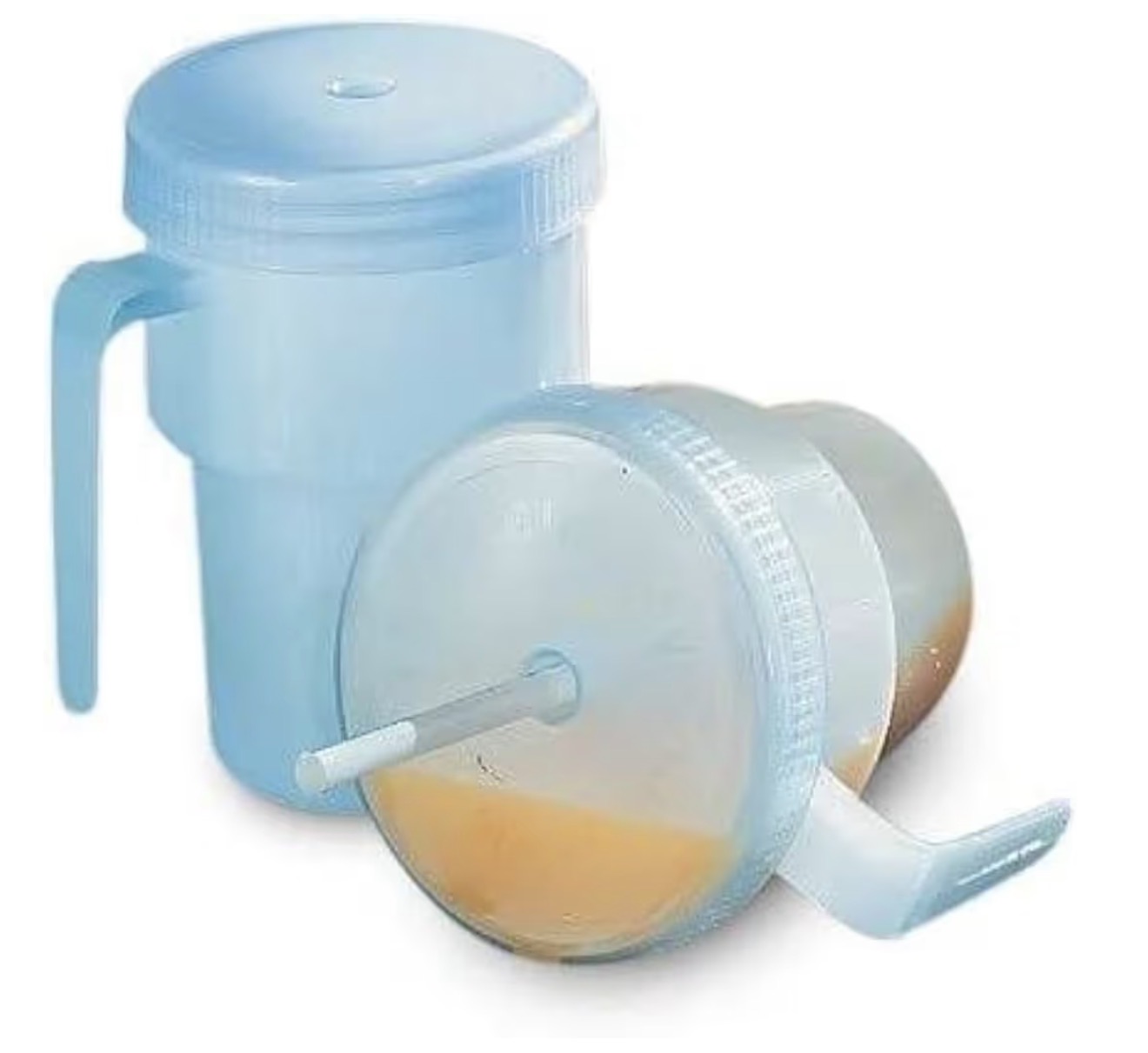
| Drinking can be a challenge as well. Sometimes just adding a straw is the easiest and most familiar item to use. Other times a Kennedy cup helps. It’s spill proof and uses a straw as well, but it holds the straw in place therefore making it easier to use the straw. |
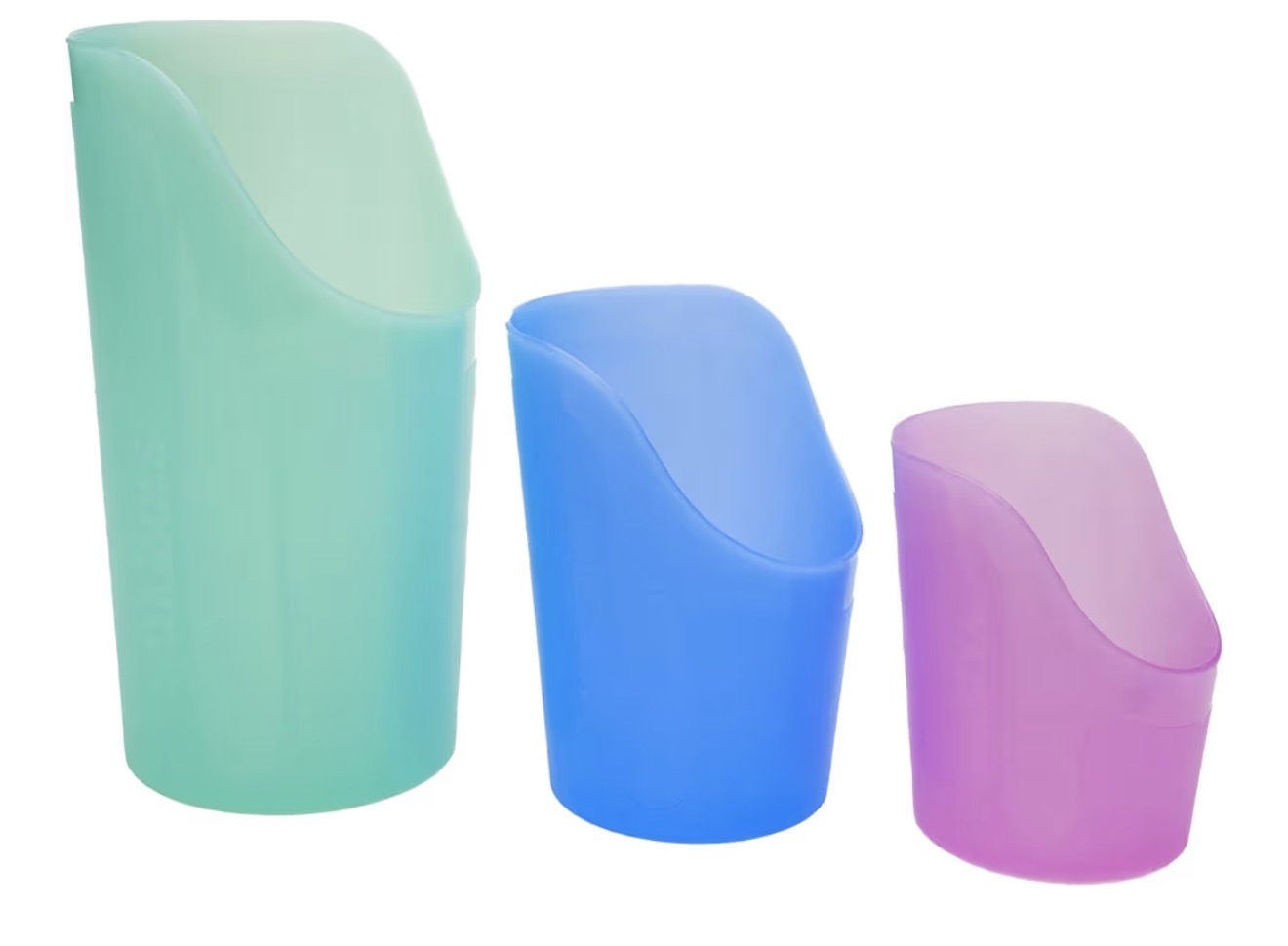
| The nosy cup or cut out cup are good for people that are unable to tip the head back or able to lift the arm up high enough. The cut out part of the cup is where the nose is placed when drinking |
**********************
This information is based on standard guidance and is intended to help you think about the most effective way to modify your home, and find tools and equipment to help your loved one adapt to changing physical abilities and issues. If you have questions about your specific situation, ask your doctor/medical care team.
Other posts for home safety:
- Grab Bars in Unusual Places
- Where to Place a Grab Bar in the Tub or Shower
- Bathroom Safety in Small Places
- How to Choose a Bathroom Grab Bar