
Telling our story so you can understand yours. . .
Wheels was diagnosed with Primary Progressive Aphasia due to Frontal Temporal Degeneration
All the information I could find, fit on one half sheet of paper. Not only was there little information, but only .004% of the US population is diagnosed with PPA/FTD.
There are now websites available and ongoing research at several institutions. Emma Willis brought attention to this disease on behalf of her husband, Bruce. But, statistics say it still takes three and a half years to get a diagnosis.
That’s three and a half years AFTER symptoms can no longer be ignored.
The real story usually begins years before.
Wheels was an early advocate of computerizing maintenance records and helped bring this technology to three different transit systems. Then he began second guessing himself, was easily distracted and uncertain. The new computer system at work confused him. He became quiet. We did not know it until later, but those were the first symptoms. He retired at age 67.
We returned to our home state two years later.
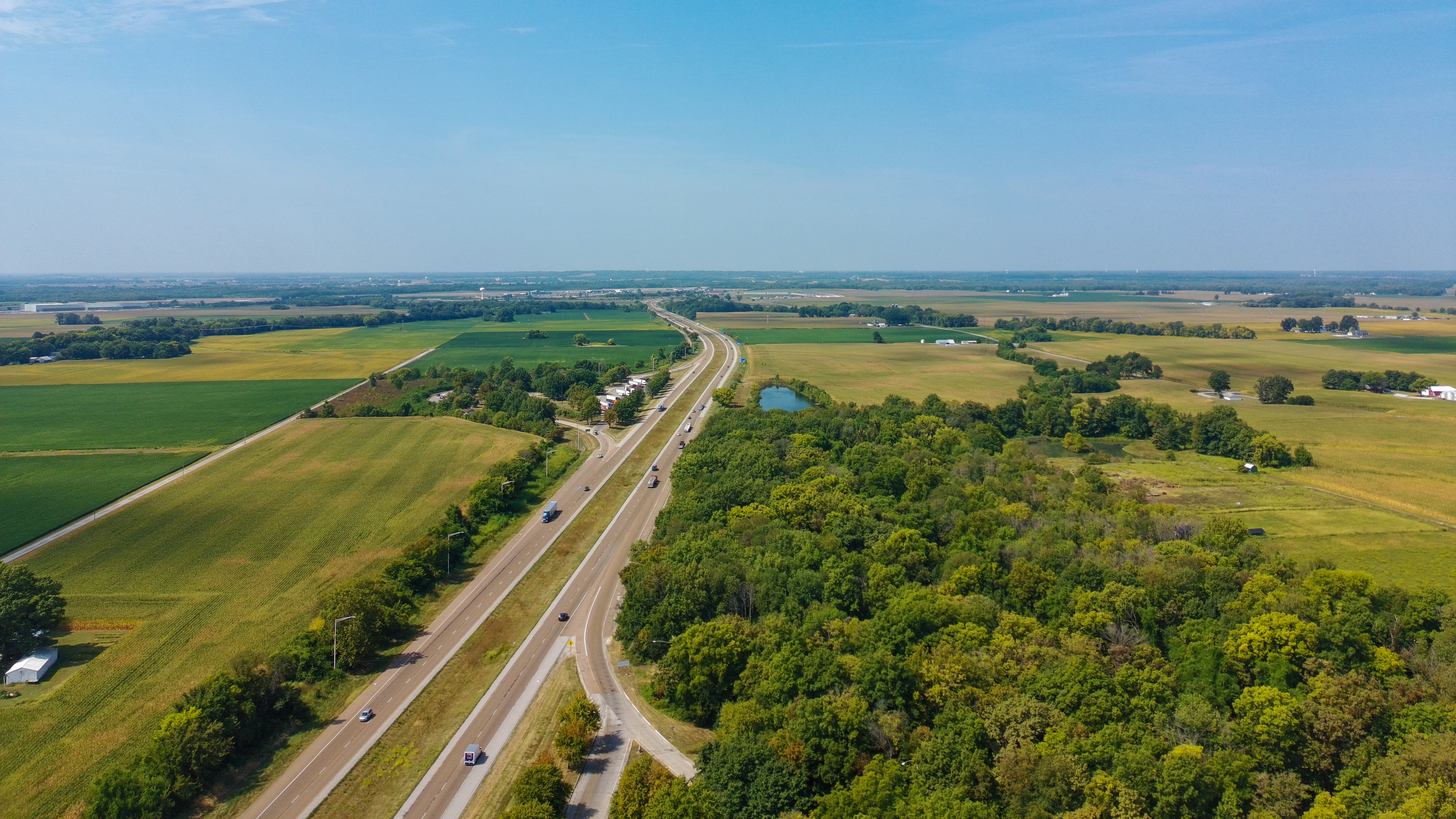
The move was uneventful. Until a rest stop in the middle of the Great Plains. Justin, driving a rental truck, pulled onto the interstate and Wheels, driving our loaded car, followed behind. I came from the restroom in time to see them merge into traffic. I called. Wheels said he would be back.
At the hotel, Justin asked his father how he got back to the rest stop. Wheels put the car in reverse, drove backwards on the shoulder at 55 mph. Stopped because there was a bridge with no shoulder. Merged back into traffic and retraced his journey until he came to a ramp, crossed over. He didn’t recognize the exit where I was waiting until he was past it. And then had trouble figuring out how to get the side where I was waiting.
Safety was this man’s middle name and life work.
He had a GPS in his brain. He was known to take calculated risks when big vehicles went amuck. And granted rural interstates are not always heavily traveled, even mostly empty at certain times. However, this was pure risk — and put others at risk. And he forgot his wife!! HUGE red flags. But you know – we were busy.
He was an avid user of technology, but now seldom logged in. Long planned retirement projects never touched. He followed me around, would only do projects if I prompted him step by step. He was unusually silent. I knew I compensated a LOT when he spoke to other people – or even to me. More symptoms.
He drove, but always asked, where do I turn? I began pointing out corners in advance. Then one day, he drove to the dentist by himself. He called in a panic. He could not find the office, six minutes and four turns from home. I talked him into the dentist’s parking lot. He asked to have Justin bring me to the office so he didn’t have to drive home. The rest stop story took on a different meaning – he did not want to lose sight of Justin on a very familiar route.
At his next check-up, I asked the doctor, is it possible Wheels has a brain disease? “Alzheimer’s?” the primary physician asked. I said no, he remembers the past. I told him about the dentist trip. He said I’ll have nurse give him a test.
The test was six questions about the office building – first, what street was it on? Understand we were 1) still new to the area and 2) in a small city where people do not refer to street names except Second Avenue, the major shopping strip and very few large cross streets, also numbered! East to West numbered streets are called Avenues and North to South numbered roads are labeled Streets. Or is it the other way around?
Wheels didn’t know any of the questions on the cognitive test. NOR DID I. Wheels drew the clock perfectly. Wheels was put on Alzheimer’s medication.
No more driving.
Next day, I braced myself and reminded Wheels, gently – “you will be legally responsible for anything that happens while you are driving.” Dark brown eyes filled with tears as he handed me his keys. Driving becomes a part of our identity. It signifies freedom, autonomy and possibilities. He had begun driving as soon as he could hold a tractor wheel steady. I do think when Wheels handed me his keys, he knew driving was no longer a possibility. And the dentist trip was so frightening for him that he no longer wanted to drive.
Still, he did not fit an Alzheimer’s profile.
Wheels’ medical history began 10 years before retirement. Following a work required physical, he was diagnosed with high blood pressure, Type II diabetes, sleep apnea, atrial fibrillation, large abdominal aneurysm, needed three heart stents and was prescribed a blood thinner that threatened his thyroid and caused a week long hospital stay. My mother died at the beginning of November and his father at the end of the same month. Memorable year!
His first cardiologist strongly suggested I accompany Wheels to appointments
We were planning to travel and he said I needed to thoroughly understand all the issues for that reason. He also said he encouraged every spouse to come to appointments, because heart issues affect the entire family. The more the family knew, the better the support and the better for the patient. He commented that many men don’t like to admit there is anything wrong and often don’t pass on information to their spouses. He said it was necessary for me to know Wheel’s condition and medication to prepare for advocacy in other situations. He was not wrong!
That cardiologist diagnosed Wheels’ multiple heart problems. He prescribed a combination of medications for Wheels’ particular heart situation, provided information as to why and said other cardiologists might question it. I needed to be prepared to explain it and not give permission for anyone to change it. And it was questioned. I was glad to know what to say. Even though when the question arose several years later, the conversation took place in a busy hallway waiting room and the professionals kept raising the volume. All cardiologists, except that one, understood and confirmed the decision of the diagnosing cardiologist. What would have happened had I not known?
Wheels took his medicine faithfully, working it around his work schedule. We went for a 30 minute walk every evening – although he often walked more than six miles daily in the huge shops at work. He said the evening walks were relaxing. We ate healthy meals and got adequate sleep – most of the time. We traveled quite a bit each year as our sons were on their own by then.
see Part 2 . . . . .