Signs it is time to start offering finger foods
Caretakers of persons with dementia or a person with active tremors are often concerned to prevent weight loss. They notice the one they are caring for seems to have lost interest or in food or mealtime altogether. Supplement drinks are always an option, but don’t cover all the nutrients needed. Neither do they support a mealtime gathering – usually a valuable time of connection.
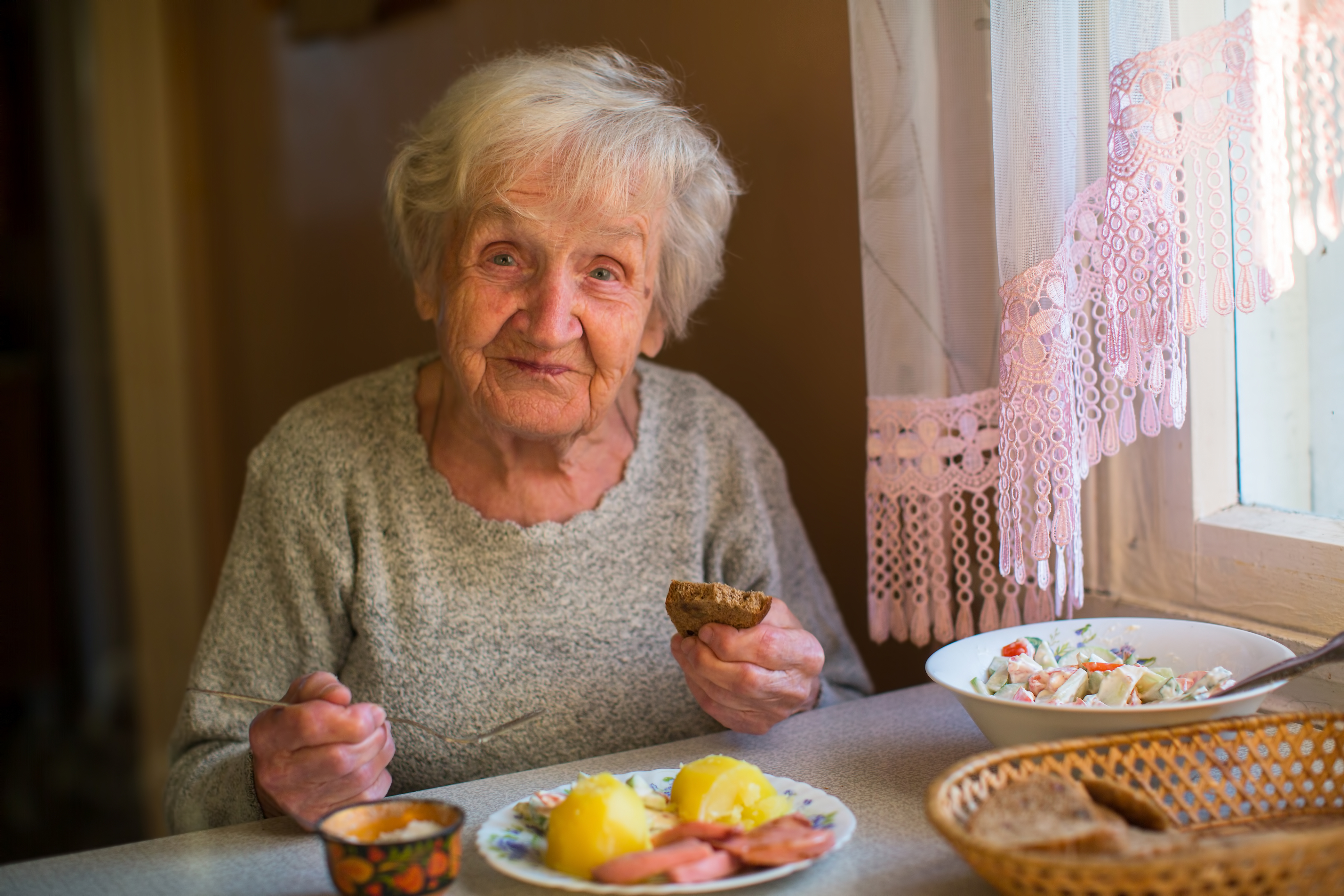
Things that indicate it’s time to start presenting finger food choices may include weight loss, as mentioned earlier, the person eating only a sandwich or a hamburger, or just sitting at the table and not engaging with the food at all. A more obvious signal is when the person chooses to eat with his or her hands when they previously would have considered that not appropriate.
There are several things to keep in mind before adding finger foods to daily meals. Commonly a person’s field of vision decreases as the dementia progresses. They may be able to see at a distance but what they pay attention to and the information that the mind is able to interpret begins to narrow. When you offer a plate of food make sure the person is facing the plate.
That sounds elementary, but a dining room table can be used as a conversation area as well. It’s also a place to drink coffee and read a newspaper or sit for 20 minutes and eat an afternoon snack. Frequently when a person is relaxed and calm, they will sit sideways and rest one arm on a dining room table. Really you can take it as a compliment if they’re not facing their food! This means that most likely you have a low stress atmosphere 😊.
When it comes time to sit at a table for a meal however, it is very important to make sure the person is facing the plate. Sometimes it’s easier to do this with a TV tray, whether in another room or at the dining room chair.
Another key factor to incorporate though, is sitting with the person. I don’t know how meals are at your house, but when my kids were little I did very little sitting at meal time. This I find is actually fairly common. The caretaker is busy serving and does not always sit to eat. But it’s important to model what you would like, and that makes it easier to copy a behavior.
One family I worked with, included a woman taking care of her father. The father would ask the grandson to go get him a fast food hamburger or cheeseburger and fries for every meal. His daughter, was hurt and angry because she made his favorite foods including soup and pasta dishes. She was trying to be kind and inclusive and took his actions as a rejection. She was understandably very hurt by the whole situation.
The kids didn’t seem to mind; he told them to get a little something for themselves too. But that spoiled their supper as well. I told her it’s very common for people to start requesting hamburgers and cheeseburgers when it becomes more difficult for them to use silverware. Sometimes the person is too embarrassed or too proud to admit that they cannot get a soup filled spoon from the bowl to their mouth.
In this family the caretaker started offering grilled cheese and other more manageable options and her father requested fewer trips to Burger King.
If meal time was an every day or almost every day family occurrence, it’s such a good idea to maintain that habit… Or reinstate it if it has been lost. Because you will then also increase the meaningfulness of the meal time togetherness.
One of the easiest ways to modify a meal is to make sure to incorporate finger foods. This does not mean that the person only gets a sandwich every meal or that every meal must be double the effort. There are some simple ways to incorporate finger foods that can be presented alongside the regular meal choices.
Written by Gina Bowden, COTA/L